Environmental branding is the practice of designing physical spaces so they look, feel and work like your brand. It is where your identity leaves the screen and the brochure and becomes something people walk through.
A customer may see your logo a hundred times online. But they form a lasting impression the moment they step into your showroom, your factory reception or your stall at a trade fair. That moment is environmental branding at work, whether it was planned or not.
Environmental branding brings together different design elements to create a consistent brand experience across physical spaces. The five main areas are:
| Area | What It Includes | Where It Matters Most |
|---|---|---|
| Retail Design | Store layout, fixtures, displays, lighting and materials | Showrooms, flagship stores and brand outlets |
| Wayfinding and Signage | Directional signs, building identification, floor directories and door signs | Hospitals, campuses, corporate parks and factories |
| Exhibition and Trade-Show Design | Stand architecture, graphics, product displays and visitor flow | Trade fairs, product launches and expos |
| Office and Corporate Interiors | Reception areas, meeting rooms, values walls and employee spaces | Headquarters and regional offices |
| Environmental Graphics | Murals, supergraphics, window films and facade branding | Any space that needs character and recognition |
Most projects combine several of these. A new corporate campus, for example, needs building identification, wayfinding, reception branding and environmental graphics working as one system.
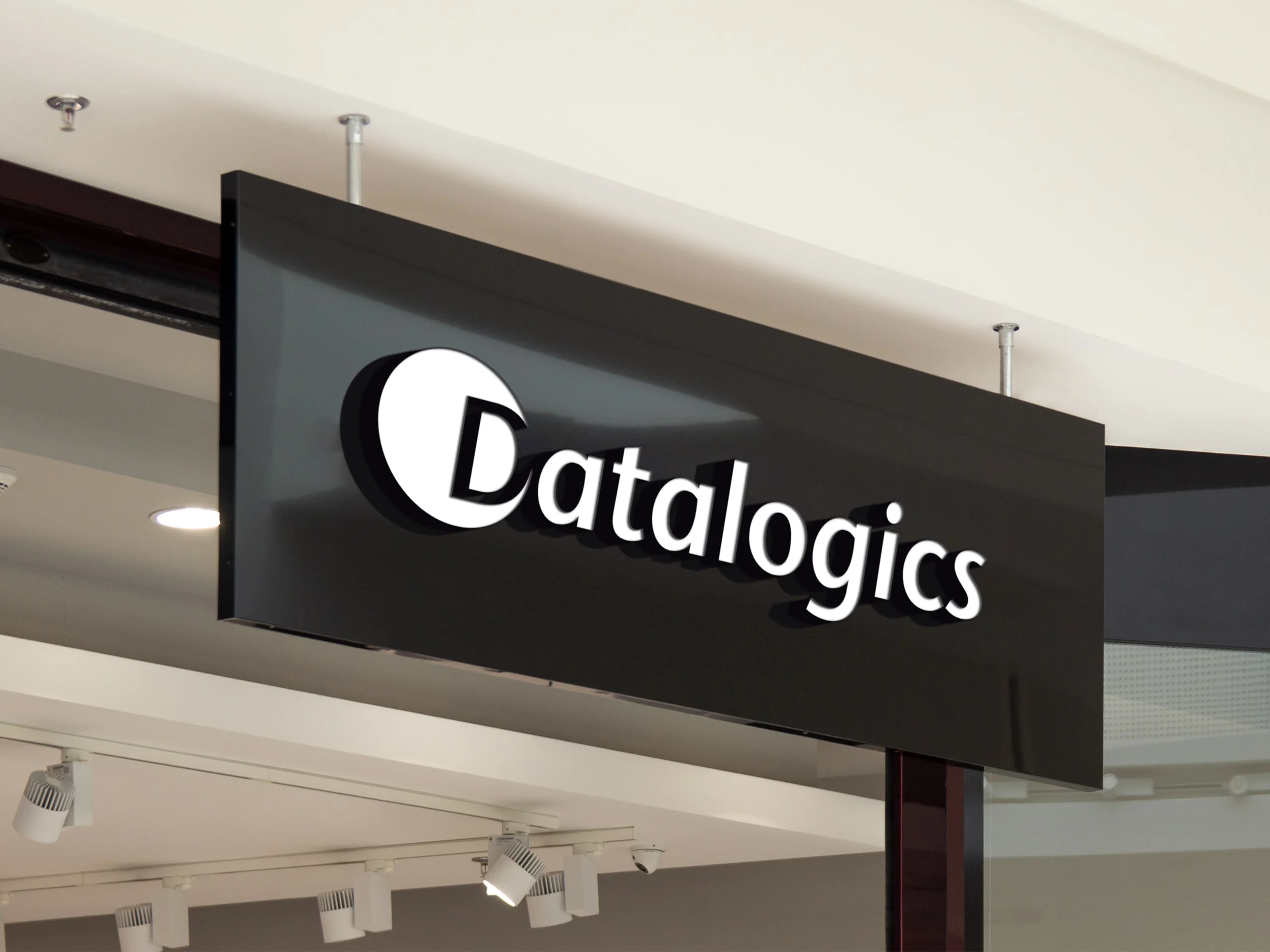
Typography, colour, grids and graphic language must already be defined. Environmental work extends them; it should not invent new ones.
Walk the space as a visitor, an employee and a delivery driver. Note every decision point where someone might get lost.
A sign read from a moving car needs different letter heights than a door sign read from a metre away. Consider viewing distance, reading time and visibility when designing each sign.
Signage in India often carries English plus one or two Indian scripts. Build the layout grid to hold all of them with equal clarity.
Heat, humidity, monsoon rain and coastal salt air all affect finishes, inks and fixings. Specify for durability, not just the render.
This keeps future branches, expansions and exhibitions consistent long after the first site opens. A clear manual helps teams follow the same design standards across locations.
A trade-fair stand compresses everything above into a space of a few square metres, built in days and seen for hours. It has to stop people walking past, explain the brand in seconds and give the sales team room to talk.
The strongest stands follow the same rules as a good building: one clear message, a visible brand mark from across the hall, and an easy path from the aisle to a conversation. Exhibition design has been one of Signet’s specialities for four decades.
Signet’s environmental work grows from the same principles as its identities: Swiss precision in grids and typography, and Eastern warmth in material, symbol and rhythm. Clear hierarchy makes a sign legible from a distance. Considered materials and organic graphic elements make a space feel human rather than corporate.
You can see this in practice in Signet’s work for SSN Institutions, where the identity extended into campus signage. Signet’s corporate identity for Seapol Group carried the same visual system across signage, fleet graphics and environmental graphics.
A: Interior design focuses on how a space functions and feels. Environmental branding focuses on how a space communicates the brand. The best projects bring both disciplines together.
A: Wayfinding design is the system of signs, maps, colours and cues that helps people find their way through a building or site. It includes directional signs, building identification and floor directories.
A: Yes, at the right scale. Even a single office reception or retail counter benefits from consistent signage, colour and graphics that match the brand identity.
A: A well-designed stand attracts visitors from across the hall, communicates the brand quickly and creates space for sales conversations. It turns footfall into qualified leads.
A: As early as possible, ideally while the architecture and interiors are still being designed. Planning late often means compromises on sign locations, lighting and power.
Environmental branding brings your identity into the physical world, helping people recognise your brand, navigate your spaces and experience your values firsthand.
Explore Signet’s environmental and experiential branding services, or call Prof. Madhu Krishna on +91 98840 97797 to discuss your project.